

Because Confidence Starts with Knowing
Practical advice, honest conversations, and evidence-informed guidance to help you feel informed, confident, and ready for every stage of pregnancy, birth, and early parenthood.
Every pregnancy, birth, and parenting journey comes with questions. Some you expect, and many you don't.
These blogs have been created to provide practical, evidence-informed information you can trust, whether you're looking for reassurance, preparing for what's ahead, or simply wanting to better understand your options. My goal is to help you feel informed, confident, and supported through every stage of pregnancy, birth, and early parenthood.
If you're looking for something specific, you'll find a search bar at the bottom of this page. Simply enter a keyword or topic, and you'll be taken straight to the articles most relevant to your question.
I hope you find something here that gives you a little more clarity, confidence, and peace of mind.

Signs of Labour
Labour is a natural, beautiful thing – and perhaps a little terrifying too. Understandably, because it’s the great unknown. Even if you’ve been through it before, there’s no guarantee this time will be the same as your previous experience.
Having your baby on their due date is rare: only about 1 in 20 people manage this. Usually, labour starts somewhere between 1 week before your due date and 2 weeks after it. If this is your first baby, the start of labour is normally gradual. It can last hours and stop and start over multiple days.
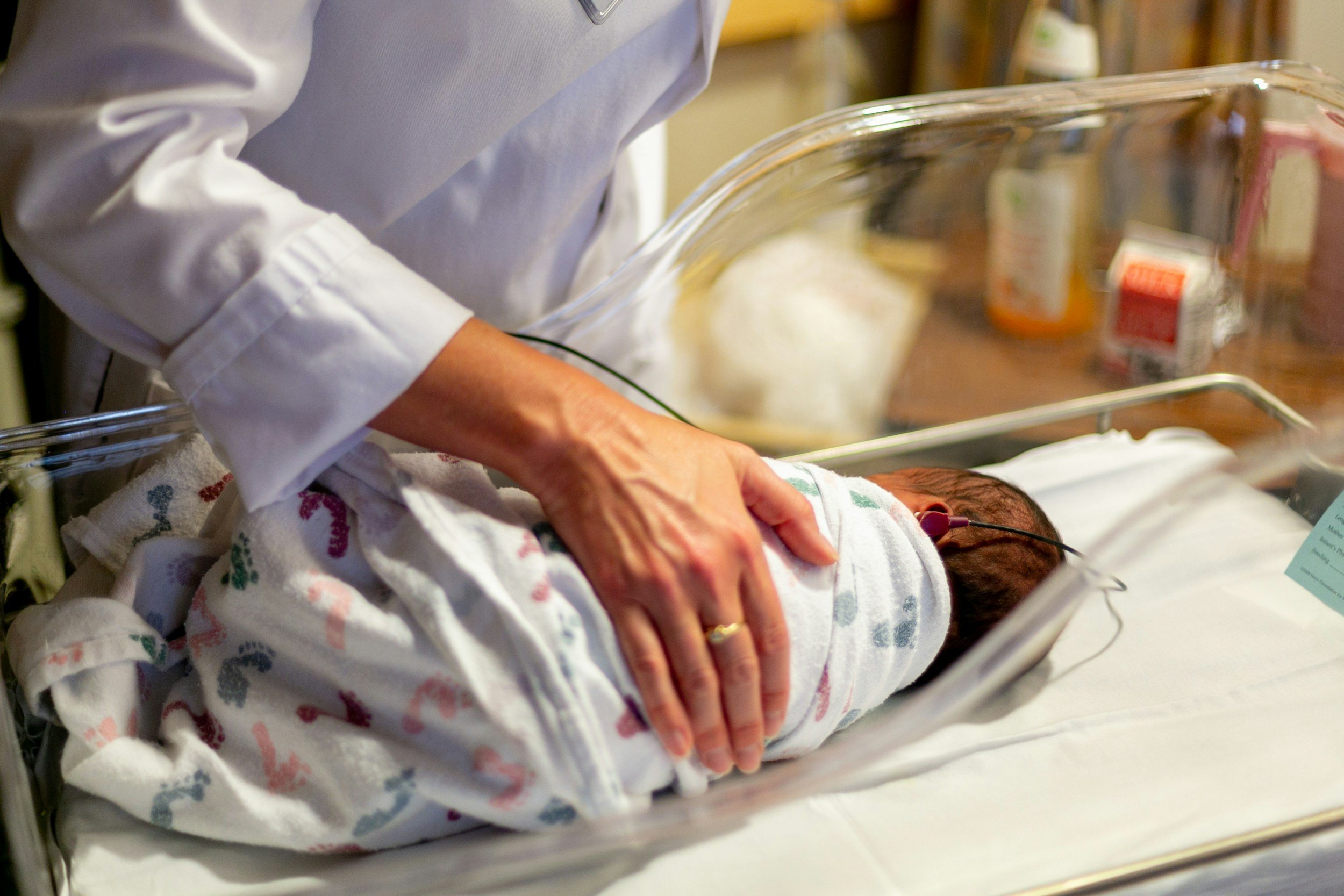
Understanding Preterm Labour: Causes, Risks, and What to Expect
Preterm labour occurs when contractions cause the cervix to open before 37 weeks of pregnancy, leading to the birth of a baby earlier than expected. While every pregnancy is unique, preterm birth can increase the risk of complications for both mother and baby. Early signs of preterm labour may include regular contractions, lower back pain, and changes in vaginal discharge. It's essential to recognize these signs and seek medical advice if you suspect early labour. Understanding preterm labour, its causes, and how to manage it can help you take proactive steps to ensure the best possible outcome for both you and your baby.
Did you know you can easily find specific topics by using the search bar? Simply type in what you're looking for, and you'll be directed to all the relevant information!
