

Because Confidence Starts with Knowing
Practical advice, honest conversations, and evidence-informed guidance to help you feel informed, confident, and ready for every stage of pregnancy, birth, and early parenthood.
Every pregnancy, birth, and parenting journey comes with questions. Some you expect, and many you don't.
These blogs have been created to provide practical, evidence-informed information you can trust, whether you're looking for reassurance, preparing for what's ahead, or simply wanting to better understand your options. My goal is to help you feel informed, confident, and supported through every stage of pregnancy, birth, and early parenthood.
If you're looking for something specific, you'll find a search bar at the bottom of this page. Simply enter a keyword or topic, and you'll be taken straight to the articles most relevant to your question.
I hope you find something here that gives you a little more clarity, confidence, and peace of mind.
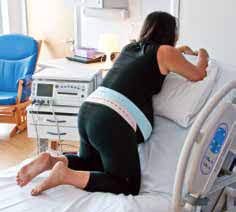
Get UPRIGHT !!!
Birth moved from home into hospital during the 1900s. The medical model of maternity care became entrenched in society, along with the expectation that women would labour on a bed. Flat on their back, and sometimes with their legs in stirrups. There is a complete lack of evidence to support this physiologically dysfunctional birthing position, which simply came down to doctor preference, and subsequently, how they were then trained (bugger!)

What do labour contractions feel like?
A contraction is a tightening of your uterus. The uterine muscle can contract at any time from mid-pregnancy on, and those contractions might feel like nothing at all, or they might be completely overwhelming.
Your uterus is a large muscle, and just like any other muscle in your body, it will flex when it’s stimulated, Hormonal changes can start contractions—but how you experience contractions depends on your pain threshold and what type of contraction you're actually having (yep, there’s more than one kind). In the first stage of labour, your contractions gradually open your cervix. In the second stage of labour, they ease your baby down through your vagina and out. In the third stage of labour, they dislodge your placenta and seal off blood vessels, as your uterus contracts down.
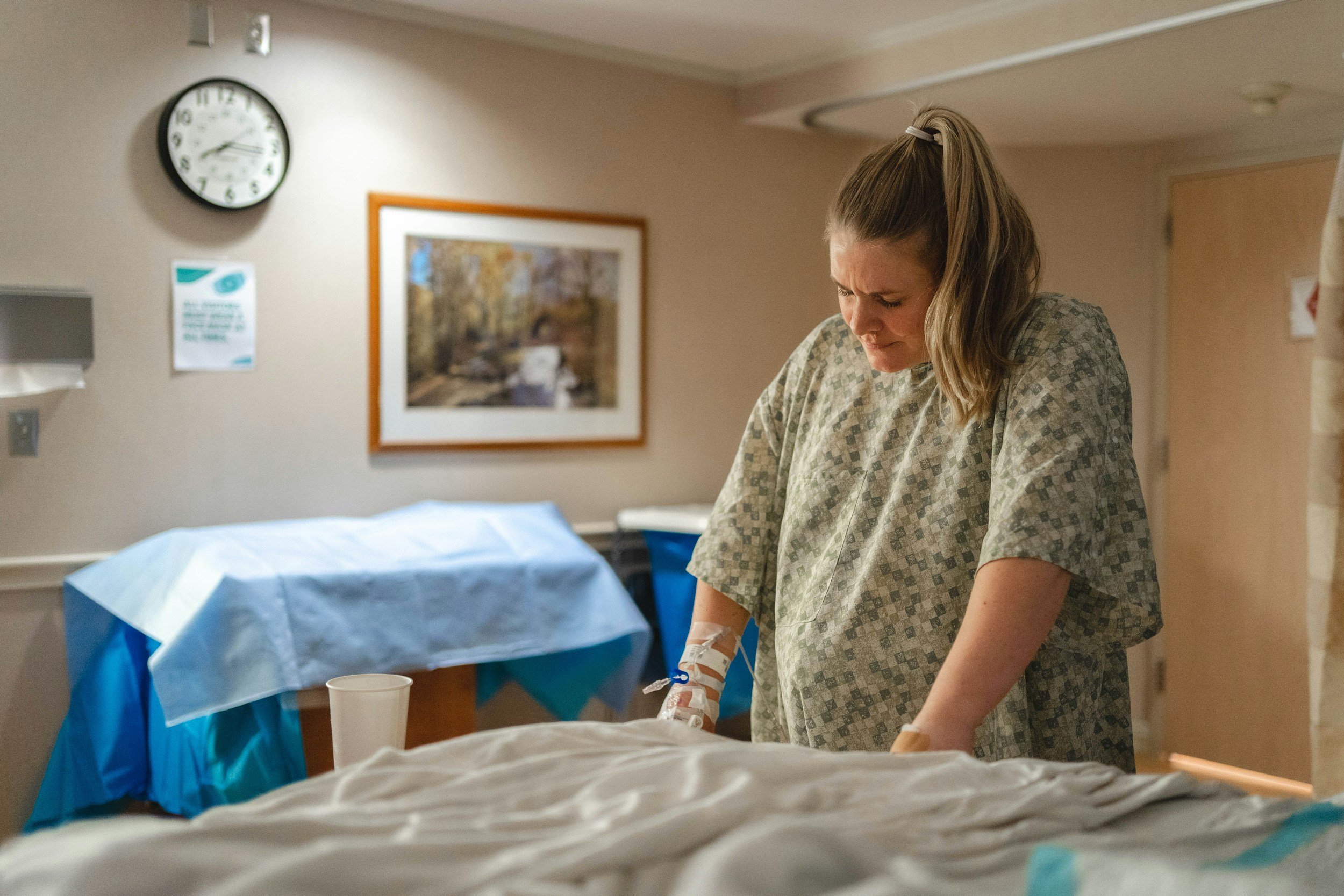
How painful is BIRTH?
Is this really that bad? How painful will it be, and can I handle it? While birth is different for everyone, birth is painful. But the great news, it’s manageable. In fact, nearly half of first-time mums (46 percent) said the pain they experienced with their first was better than they expected,

Natural Pain Relief.
The topic of pain in labour and birth is a hotly debated subject around the coffee table and while pain in labour can't be entirely avoided (for most people), the fear of pain can be addressed and reduced. Taking good birth education classes, working with a trusted and supportive midwife, and having good continuous support from a partner, friend, or family member all can help greatly reduce your fear of pain in birth. It also helps to know a few things about labour pain.

The Bloody Show
You might’ve heard the term ‘bloody show’ but not actually know what it means. It’s the term used for bleeding at the end of pregnancy.
You might’ve heard the terms ‘bloody show’ and ‘mucus plug’ as though they’re the same thing – but they’re not.
Let’s have a look at what the bloody show is.
Did you know you can easily find specific topics by using the search bar? Simply type in what you're looking for, and you'll be directed to all the relevant information!
